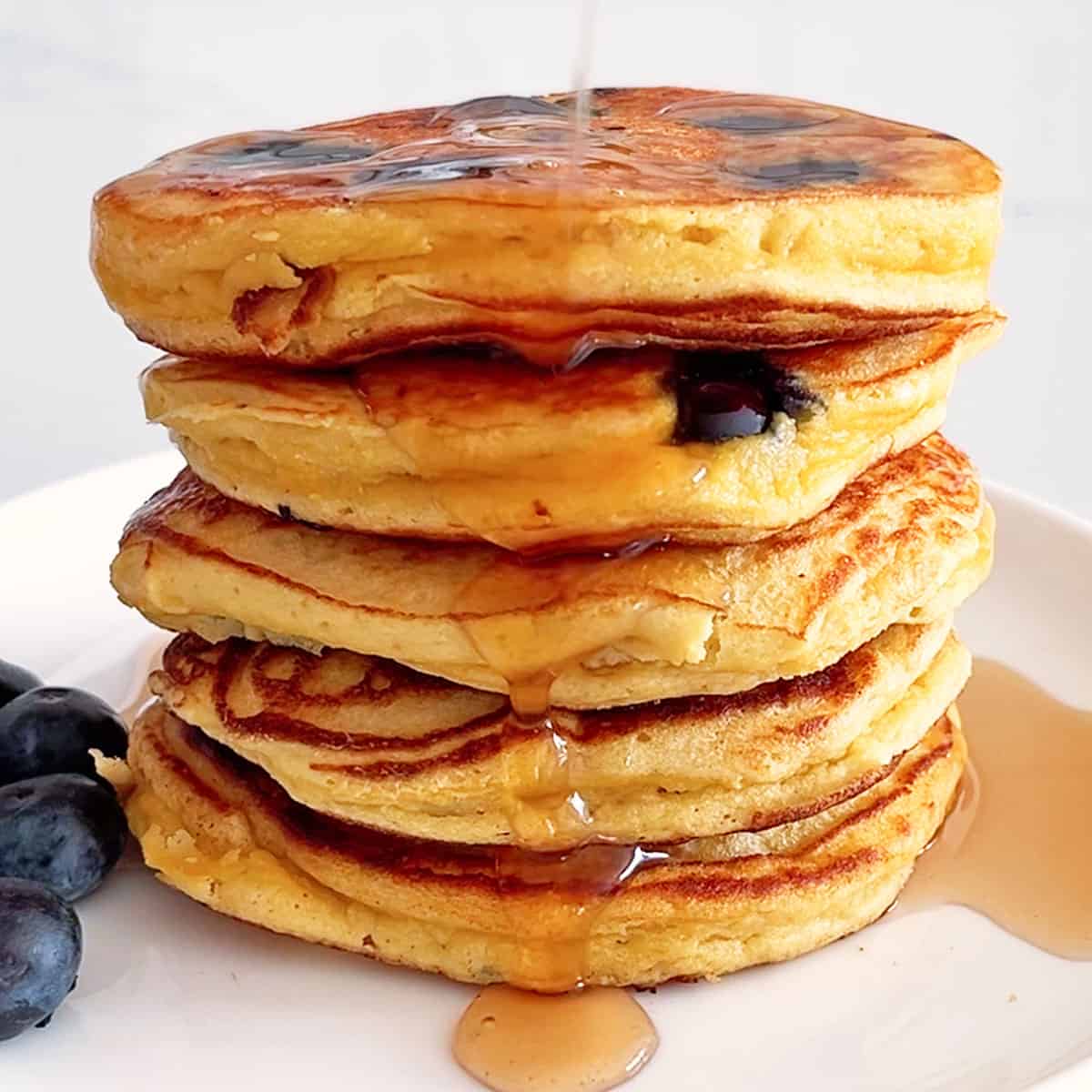
Unveiling the Magic of Coconut Flour Pancakes
In the realm of breakfast delights, pancakes hold a special place. But for those navigating dietary restrictions or simply seeking a healthier alternative, traditional flour-based pancakes can often be a source of guilt or digestive discomfort. Enter the humble yet mighty coconut flour pancake – a game-changer that combines incredible flavor with significant nutritional benefits. These delightful discs of deliciousness have soared in popularity, becoming a staple for gluten-free, low-carb, and health-conscious eaters alike.
Coconut flour, derived from dried coconut meat, is a uniquely absorbent ingredient that behaves very differently from wheat or almond flour. Its high fiber content and specific protein structure mean that crafting the perfect batch of coconut flour pancakes requires a slightly different approach than you might be used to. But fear not! With a few key insights and practical tips, you can consistently achieve light, fluffy, and utterly satisfying pancakes that will become a cherished part of your breakfast repertoire. This article will guide you through mastering the art of these wholesome pancakes, exploring their benefits, creative variations, and how to troubleshoot common challenges, ensuring your pancake perfection every time.
Mastering the Art: Tips for Perfect Coconut Flour Pancakes
Achieving the ideal texture and taste in coconut flour pancakes is an art form, but one that is easily learned. The unique properties of coconut flour demand attention to detail, especially regarding liquid ratios and binding agents. Here’s how to set yourself up for success:
Understanding Coconut Flour's Unique Absorption
- High Absorbency: Coconut flour is notoriously thirsty. It absorbs significantly more liquid than traditional flours, often requiring a ratio of 1:1 liquid to flour, or even more, in many recipes. Don't be surprised by how much liquid your batter needs!
- Binding is Key: Due to its lack of gluten, coconut flour needs strong binders to hold pancakes together. Eggs are typically essential, providing structure and moisture. A good rule of thumb is at least one large egg per 1/4 cup of coconut flour, sometimes more depending on other ingredients.
Essential Ingredient Ratios and Prep
- Flour and Liquid: While specific recipes vary, a good starting point for a small batch is 1/4 cup coconut flour, 2 large eggs, and 1/4 to 1/2 cup of milk (dairy or non-dairy). Adjust liquid based on desired thickness.
- Sweeteners: Use natural sweeteners like maple syrup, honey, or a sugar substitute to taste. Coconut flour itself has a slight natural sweetness.
- Leavening Agents: A pinch of baking powder or baking soda (activated with an acid like vinegar or lemon juice if using soda) helps create a lighter, fluffier pancake.
- Sift Your Flour: Coconut flour can be clumpy. Sifting it ensures a smoother batter and prevents dry pockets in your pancakes.
Mixing and Resting for Optimal Texture
- Gentle Mixing: Overmixing can lead to tough pancakes. Mix ingredients until just combined, a few small lumps are perfectly fine.
- The Critical Rest: This is perhaps the most crucial step for coconut flour pancakes. Once mixed, let the batter rest for 5-10 minutes. This allows the coconut flour to fully absorb the liquid, thickening the batter and preventing crumbly pancakes. The batter will become noticeably thicker during this time.
Cooking Techniques for Golden Perfection
- Lower Heat is Best: Coconut flour pancakes cook differently. Use medium-low heat to ensure they cook through without burning the outside.
- Smaller is Better: Smaller pancakes are easier to flip and hold their shape better. Use about 1/4 cup of batter per pancake.
- Generous Greasing: Use butter, coconut oil, or your preferred cooking fat. Coconut flour pancakes can be prone to sticking if the pan isn't adequately greased.
- Patience During Flipping: Wait until bubbles appear on the surface and the edges look set before attempting to flip. They need to be more fully cooked on the first side than traditional pancakes to prevent tearing.
Beyond the Basic Batter: Creative Variations
While a classic stack of coconut flour pancakes with a drizzle of maple syrup is undeniably delicious, the versatility of these healthy treats allows for endless creative experimentation. Elevate your breakfast experience with these inspiring ideas:
Flavor Boosters for Your Batter
- Vanilla & Cinnamon: A dash of vanilla extract and a sprinkle of ground cinnamon are timeless additions that enhance warmth and depth.
- Citrus Zest: Lemon or orange zest can add a bright, refreshing note that cuts through the richness of the coconut.
- Spices Galore: Experiment with nutmeg, cardamom, or even a touch of ginger for a more exotic flavor profile.
- Chocolate Delights: Fold in a handful of sugar-free chocolate chips or cacao nibs for a decadent treat.
- Fruity Infusion: Gently fold in fresh berries (blueberries, raspberries, diced strawberries) into the batter just before cooking. Be mindful that berries release moisture, so a slightly thicker batter works best.
Spectacular Toppings and Pairings
- Fresh Fruit Medley: Top your pancakes with sliced bananas, berries, peaches, or a tropical fruit salad.
- Nut Butters: A dollop of almond butter, peanut butter, or cashew butter adds healthy fats and protein.
- Whipped Cream or Coconut Cream: For an indulgent touch, a swirl of homemade whipped cream or a dollop of whipped coconut cream is heavenly.
- Yogurt & Granola: A spoonful of Greek yogurt and a sprinkle of low-sugar granola can add texture and probiotics.
- Nutty Crunch: Toasted chopped nuts like pecans, walnuts, or almonds provide a satisfying crunch.
- Sugar-Free Syrups: Opt for sugar-free maple syrup or berry compotes sweetened with erythritol or stevia to keep things low-carb.
Why Coconut Flour? The Health Benefits Explained
Choosing coconut flour pancakes isn't just about delicious taste and texture; it's also a choice that comes with an impressive array of health advantages. This gluten-free powerhouse offers several nutritional benefits that make it a superior alternative to many traditional flours.
- Gluten-Free and Allergen-Friendly: For individuals with celiac disease, gluten sensitivity, or those simply choosing to avoid gluten, coconut flour is an excellent, naturally gluten-free option. It helps create delicious baked goods without the associated digestive issues.
- High in Dietary Fiber: Coconut flour is exceptionally rich in fiber – often containing more fiber per serving than wheat flour. This high fiber content aids digestion, promotes gut health, helps regulate blood sugar levels, and contributes to a feeling of fullness, which can support weight management.
- Low Glycemic Index: Because of its high fiber content, coconut flour has a lower glycemic index compared to traditional flours. This means it causes a slower, more gradual rise in blood sugar, making it a good choice for diabetics and anyone looking to maintain stable energy levels.
- Good Source of Protein: While not a complete protein, coconut flour provides a decent amount of plant-based protein, which is essential for muscle repair, growth, and overall bodily functions.
- Contains Healthy Fats: Coconut flour naturally contains beneficial medium-chain triglycerides (MCTs). MCTs are a type of saturated fat that is easily digested and utilized by the body for energy, potentially boosting metabolism and supporting brain health.
Incorporating coconut flour into your diet, especially through tasty treats like pancakes, is an easy way to boost your fiber and protein intake while enjoying a delicious and satisfying meal. It’s a smart choice for a balanced and health-conscious lifestyle.
Common Pitfalls and How to Avoid Them
Even with the best intentions, making coconut flour pancakes can sometimes present a few challenges. Knowing what to look out for and how to correct common issues will ensure your pancake journey is always a smooth one.
1. Dry, Crumbly Pancakes
- The Problem: This is perhaps the most common issue, stemming from coconut flour's high absorbency. Not enough liquid results in a dense, dry, and crumbly texture that falls apart.
- The Fix: Always ensure you have enough liquid in your batter. Coconut flour often requires a 1:1 ratio or more of liquid to flour, plus enough eggs. Allow the batter to rest for 5-10 minutes; if it's still too thick, add another tablespoon or two of milk until it reaches a pourable but still thick consistency.
2. Pancakes Sticking to the Pan
- The Problem: Coconut flour pancakes can be prone to sticking, especially if the pan isn't properly prepared or the batter is too delicate.
- The Fix: Use a good quality non-stick pan or a well-seasoned cast-iron skillet. Always grease the pan generously with butter, coconut oil, or cooking spray between each pancake. Ensure the pan is at the right temperature (medium-low) – too cold and they'll soak up fat, too hot and they'll burn before cooking through.
3. Pancakes Falling Apart When Flipping
- The Problem: This usually indicates insufficient binding (not enough eggs), the batter being too thin, or attempting to flip too soon.
- The Fix: Ensure your recipe has an adequate amount of eggs or other binders (like flax eggs, though eggs are generally preferred for coconut flour). Make sure the batter has rested and is sufficiently thick. Most importantly, be patient! Wait until the edges are firm and bubbles appear across the entire surface of the pancake before attempting to flip with a wide, thin spatula.
4. Pancakes Are Undercooked in the Middle
- The Problem: Often caused by cooking on too high heat, which browns the outside before the inside has a chance to cook through.
- The Fix: Lower your cooking temperature to medium-low. This allows the pancakes to cook more slowly and evenly from edge to center. Cook smaller pancakes, as they cook through more efficiently. Cover the pan with a lid for a minute or two after flipping, if needed, to create a steamy environment that helps cook the interior.
Conclusion
Embarking on the journey of making coconut flour pancakes opens up a world of delicious, healthy, and satisfying breakfast possibilities. Far from being a mere dietary compromise, these pancakes offer a unique texture, a subtle sweetness, and a wealth of nutritional benefits, including being gluten-free, high in fiber, and packed with healthy fats. By understanding the specific properties of coconut flour and implementing the practical tips outlined in this guide – from crucial resting times to proper cooking temperatures – you can confidently create a stack of fluffy, flavorful pancakes every time. Don't be afraid to experiment with different flavorings and toppings to truly make them your own. Whether you're a seasoned health enthusiast or just beginning to explore alternative flours, coconut flour pancakes are a versatile and rewarding addition to your culinary repertoire, promising a delightful start to any day.
